NOW OFFERING PROFESSIONAL IN-HOUSE DESIGN SERVICES

Before You Renovate Your Basement: Why Proper Planning Starts Long Before Construction
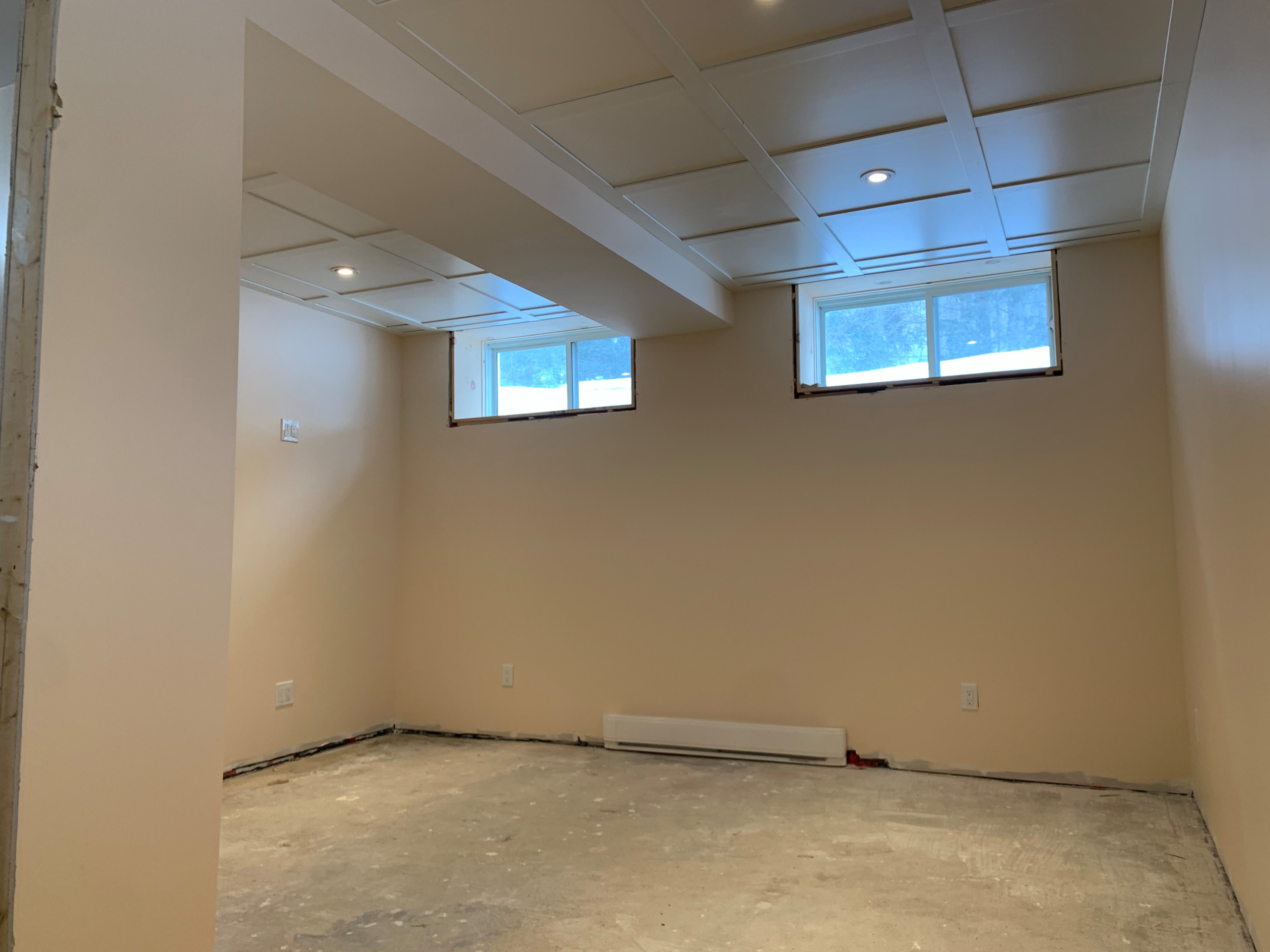
A finished basement is one of the most valuable improvements you can make to your home or cottage. It creates additional living space, increases your property's functionality, and can significantly improve resale value. Whether you envision a comfortable family room, a home office, a guest suite, or the ultimate entertainment space, a thoughtfully renovated basement has the potential to become one of the most enjoyed areas of your home.
Despite that potential, basements are often overlooked. They're frequently used for storage, mechanical equipment, or simply left unfinished because renovating below ground can seem intimidating. The truth is, basement renovations require a different level of planning than almost any other area of a home—but when they're done properly, the results can completely transform the way you use your property.
Step One: Start Planning in the Spring
If you're considering a basement renovation later this year, spring is one of the best times to begin planning.
As snow melts and spring rains arrive, many homes naturally reveal where moisture problems exist. Small foundation leaks, damp areas, condensation, or poor exterior drainage often become much easier to identify during this season than they are during the dry summer months.
Finding these issues early allows you to determine exactly where repairs are needed before investing in new flooring, insulation, drywall, and finishes.
Addressing waterproofing first protects your investment and gives you confidence that your renovated space will remain comfortable and dry for years to come.
Many homeowners find that spring inspections and repairs naturally lead into summer waterproofing work, allowing the basement to dry completely before beginning interior renovations in the fall or winter. Not only can this create a smoother renovation process, but it often means the majority of construction takes place during the months when you're spending less time outdoors.
Step Two: Design a Space You'll Actually Use
Once the foundation is dry and protected, the exciting part begins.
A successful basement renovation isn't simply about adding drywall and flooring—it's about creating a space that improves the way you live.
Before construction begins, think carefully about how you want the space to function.
Will it become a family gathering area? A quiet home office? A children's playroom? A guest bedroom? A fitness room? Perhaps a combination of several uses?
Good design balances aesthetics with practicality. Proper lighting, storage, ceiling heights, traffic flow, mechanical access, and future flexibility should all be considered before a single wall is framed.
When thoughtful planning happens at the beginning of a project, the finished space not only looks modern—it works beautifully for years to come.
Step Three: Work With Professionals Who Understand Basements
Basements are unlike any other room in a home.
They're built below grade, support the structure above them, and often contain critical mechanical systems, plumbing, electrical infrastructure, and structural components. Every home is different, and every basement presents its own unique challenges.
That's why experience matters.
Professionals who regularly renovate basements understand how to identify moisture issues, work around structural limitations, maximize usable space, and anticipate problems before they become costly surprises.
A successful basement renovation isn't just about craftsmanship—it's about planning, problem-solving, and making informed decisions long before construction begins.
Looking Ahead
If your basement has been sitting unfinished or underused for years, this may be the perfect time to start thinking differently about it.
Walk through the space. Imagine how your family could use it six months from now, or even five years from now. Could it become a place where your children play? A comfortable space to host family during the holidays? A quiet retreat after a long day?
Every great renovation begins with a vision—and the best projects start with careful planning.
Taking the time to understand your basement today can help you build a space you'll enjoy for many years to come.