NOW OFFERING PROFESSIONAL IN-HOUSE DESIGN SERVICES

Cottage Winterization Checklist
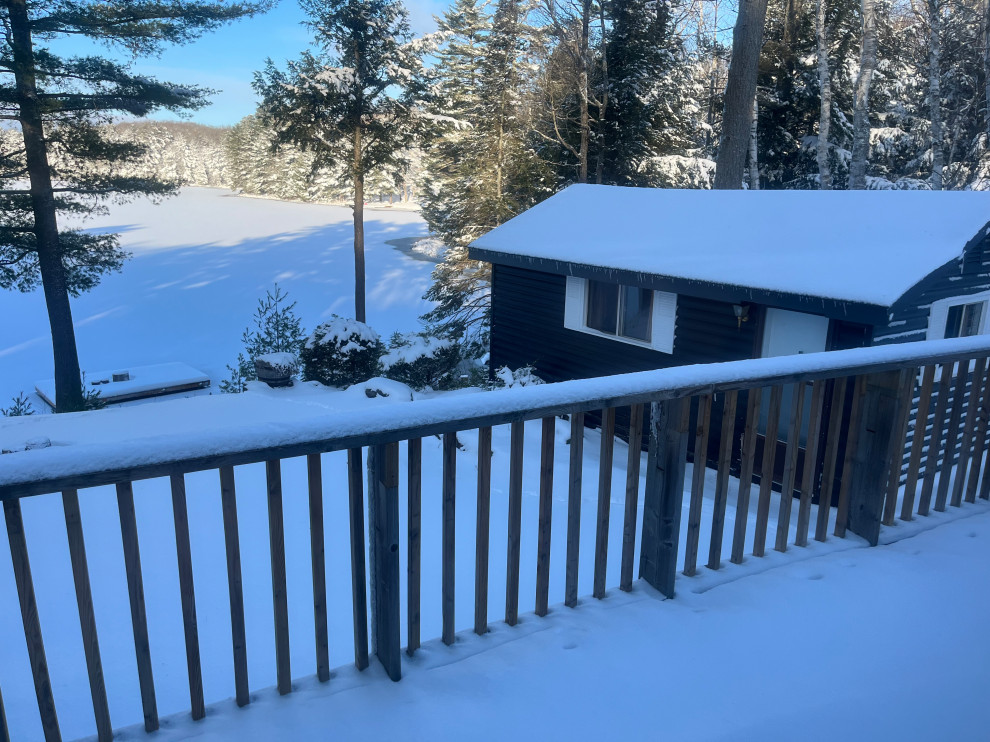
Unfortunately the Summer is season is winding down, Winter weather is around the corner. Preparing your cottage for winter helps prevent frozen pipes, water damage, pest problems, and costly repairs. Complete this checklist before temperatures regularly fall below freezing.
- Inspect the Exterior
- Clean leaves, pine needles, and debris from the roof and gutters.
- Confirm that gutters and downspouts direct water away from the foundation.
- Inspect the roof for missing, damaged, or loose shingles.
- Check flashing around chimneys, vents, skylights, and other roof openings.
- Seal cracks and gaps around windows, doors, siding, utility lines, and the foundation.
- Repair damaged screens and install chimney or vent covers where appropriate.
- Trim branches that could fall on the cottage during winter storms.
- Store patio furniture, grills, tools, hoses, and other outdoor equipment.
- Drain and store garden hoses, and shut off exterior faucets.
- Check decks, stairs, railings, and walkways for loose boards or other hazards.
- Prepare the Plumbing System
If the cottage will be unoccupied, fully winterize the plumbing system unless it has reliable, continuous heat.
- Shut off the main water supply.
- Turn off the water heater according to the manufacturer’s instructions.
- If the water heater will be drained, allow it to cool first.
- Open faucets and drain water from supply lines.
- Flush toilets and remove as much water as possible from toilet tanks and bowls.
- Drain appliances connected to water lines, including washing machines, dishwashers, ice makers, and water softeners.
- Add non-toxic, RV-rated antifreeze to traps and toilet bowls as directed by the product label.
- Do not use automotive antifreeze in plumbing.
- If the cottage has a well, septic system, pump, or filtration equipment, follow the manufacturer’s winterization instructions.
- Consider hiring a licensed plumber if the system is complex or the cottage is in an area with severe freezing conditions.
- Protect Heating and Electrical Systems
- Have the furnace, boiler, fireplace, or wood stove inspected and serviced.
- Replace or clean furnace filters.
- Clean chimneys and flues as recommended.
- Test smoke alarms and carbon monoxide detectors, and replace batteries.
- Keep combustible materials away from heaters, fireplaces, and stoves.
- If leaving the heat on, set the thermostat to a safe minimum temperature, commonly at least 55°F (13°C), and confirm that the heating system is reliable.
- Ask a trusted person to check the cottage during cold weather.
- If shutting off electricity, leave power connected to systems that must operate, such as heating, sump pumps, security devices, or freeze alarms.
- Unplug nonessential appliances and electronics.
- Protect backup generators from moisture and store fuel safely according to local requirements.
- Secure Doors, Windows, and Openings
- Lock all windows and exterior doors.
- Check weatherstripping and replace worn seals.
- Close curtains or blinds, but avoid blocking heating vents.
- Secure pet doors, crawl-space openings, attic access panels, and other entry points.
- Confirm that basement and crawl-space vents are positioned appropriately for winter conditions.
- Do not seal ventilation openings required for safe operation of fuel-burning appliances.
- Prevent Moisture and Mold
- Remove food, trash, and anything that could attract pests.
- Clean refrigerators and freezers, then leave doors slightly open if they are unplugged.
- Empty cabinets and wipe up spills.
- Remove wet towels, bedding, rugs, and other materials that could develop mold.
- Check for leaks under sinks, around toilets, near the water heater, and in the basement.
- Use a dehumidifier only if it can operate safely and be monitored.
- Leave interior doors open to improve air circulation, unless doing so would create a security or heating concern.
- Control Pests
- Store food in sealed containers or remove it entirely.
- Clean crumbs and grease from kitchens and dining areas.
- Seal gaps around pipes, vents, and foundations.
- Remove birdseed, pet food, and garbage from the property.
- Store firewood away from the cottage and elevated off the ground.
- Use traps or pest-control products responsibly, keeping them away from children, pets, and wildlife.
- Arrange professional pest control if there are signs of rodents or insects.
- Prepare the Septic and Waste Systems
- Have the septic tank inspected or pumped if it is due for service.
- Avoid driving heavy vehicles over the drain field.
- Confirm that septic covers are secure and accessible for maintenance.
- Empty garbage and recycling bins before departure.
- Clean compost containers and store them securely.
- Check that exterior drains and sump pumps are clear.
- Protect Outdoor Water Features and Equipment
- Drain swimming pools, hot tubs, fountains, and outdoor showers according to their manufacturer’s instructions.
- Winterize irrigation systems with compressed air or professional service when required.
- Drain pumps and filters.
- Store or cover boats, trailers, kayaks, and other recreational equipment.
- Remove batteries from equipment that will not be used.
- Protect snow-removal tools and confirm that they are accessible before the first storm.
- Improve Security
- Install timers or smart controls for selected interior lights.
- Test security cameras, alarms, locks, and motion sensors.
- Avoid leaving valuables in plain sight.
- Arrange mail, package, and newspaper delivery holds.
- Provide a trusted neighbor or caretaker with emergency contact information and access instructions.
- Do not advertise your absence publicly.
- Consider a monitored freeze alarm, water-leak sensor, or security system.
- Complete a Final Walk-Through
Before leaving, confirm that:
- The main water supply is shut off or the plumbing system is properly protected.
- The heating system is operating at the selected setting.
- Smoke and carbon monoxide alarms are working.
- Windows and doors are locked.
- Appliances and electronics are unplugged or safely operating.
- Food, trash, and perishables have been removed.
- Gutters, drains, and sump pumps are clear.
- Outdoor faucets and irrigation systems are drained.
- Firewood and combustible materials are stored safely.
- Emergency contact information is posted or provided to the caretaker.
- The cottage has been photographed for insurance and maintenance records.
Winter Inspection Plan
If possible, arrange regular winter inspections, especially after heavy snow, freezing rain, strong winds, or extended power outages. The inspector should look for:
- Signs of frozen or burst pipes.
- Loss of heat or power.
- Roof damage or excessive snow accumulation.
- Water intrusion, leaks, or flooding.
- Pest activity.
- Ice dams or blocked drainage.
- Damage to trees, decks, stairs, and walkways.
Important Safety Notes
Never leave a fuel-burning appliance operating if it has not been properly inspected and vented. Do not use candles, portable heaters, or generators as unattended substitutes for a reliable heating system. Operate generators outdoors, well away from doors, windows, and vents. When in doubt about plumbing, heating, electrical, septic, or structural work, consult a qualified professional.
Nail and Nurture is happy to provide assistance or complete the checklist in full, inquire with us to find out more.