NOW OFFERING PROFESSIONAL IN-HOUSE DESIGN SERVICES

How to Choose a Reliable Contractor for Home and Cottage Renovations
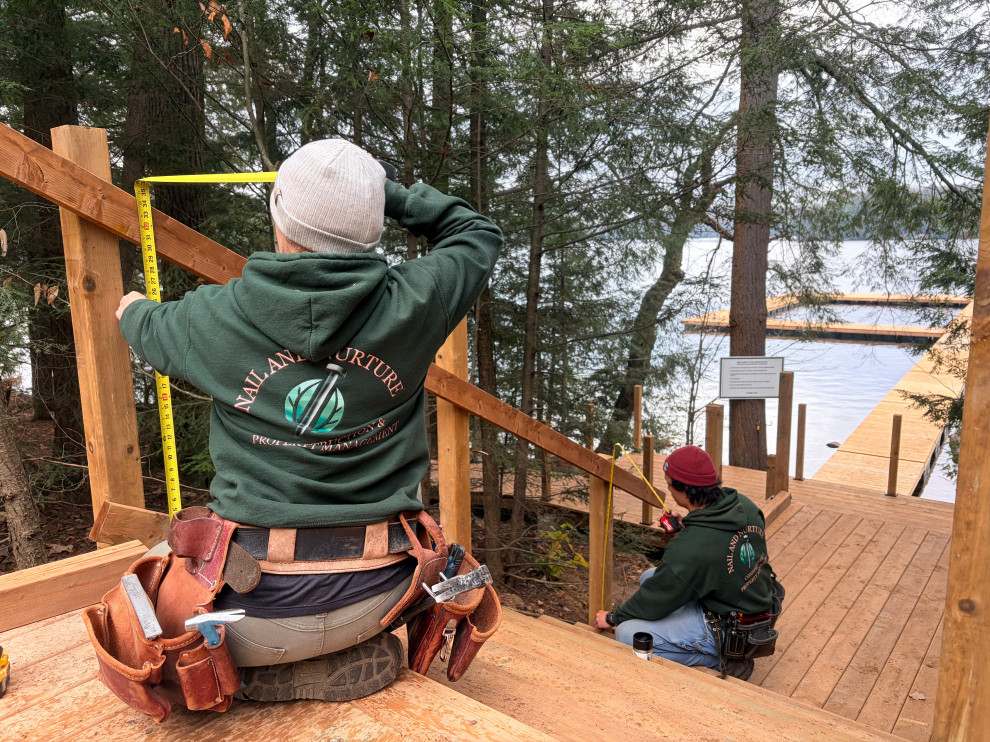
Choosing a contractor means deciding who you’ll trust with your property, your budget, and the decisions that come up once work begins. A portfolio can show you how a finished kitchen or screened porch looks. A conversation about water damage behind a wall, a delayed delivery, or a failed inspection tells you how the contractor might handle your project when it gets complicated.
If you’re planning a renovation or a new build, here’s how to evaluate the people behind the quotes and set up the job so everyone knows what to expect.
Start with the project you actually want
Before you invite contractors out, write a short description of what you want to change, why you’re doing it, and what needs to stay. Include your rough budget, must-haves, flexible items, and any dates that matter. If the cottage needs to be usable for a family gathering in July, share that early and ask what can realistically be finished by then.
Tell each contractor about any known leaks, past repairs, or access issues. Sharing the same information with everyone makes estimates easier to compare and gives contractors a chance to explain where they need to investigate further. For an older cottage with a soft floor, that could mean inspecting the framing before anyone prices a flooring replacement.
Look for experience with a project like yours
Ask for two recent examples of work similar in scope and conditions to yours. A contractor who has renovated an occupied home can talk through dust control, temporary kitchen arrangements, and how they’ll secure the site each evening. Someone who regularly works on seasonal cottages should be able to explain how they plan deliveries on a narrow road and what happens if water or power is unavailable when the crew arrives.
Online reviews can help build a shortlist. Additionally, a reference call to a past client lets you ask questions specific to your job:
- How did the contractor communicate when the schedule or budget changed?
- Were extra costs explained and approved before the work went ahead?
- How did the crew treat the property, and did they come back to deal with any outstanding items?
- Would you hire them again for a similar renovation?
Verify insurance, trades, and permit responsibilities
Ask for a current certificate of commercial general liability insurance in the contracting company’s name. If the policy dates or type of work covered are unclear, ask the contractor’s broker to confirm. Ask how workers and subcontractors are covered and request a WSIB clearance where applicable. WSIB says a clearance isn’t required when a resident, occupant, or family member directly hires a contractor for home repairs or renovations. The contractor may still have obligations for the subcontractors they hire. WSIB clearance guidance
If the project includes electrical work, ask who will perform it and verify the business’s electrical contractor licence through the Electrical Safety Authority. Ask who will arrange any required ESA notification and inspection. Electrical Safety Authority guidance
Check with your municipality about permits and zoning, especially for additions, structural changes, decks, or work near the shoreline. Put in writing who will arrange any drawings, submit applications, pay fees, and book inspections. If a contractor says a permit is unnecessary and you’re unsure, give the building department your project description and ask directly.
Compare the work behind each price
Aim for three written estimates based on the same scope. Look at what each contractor includes for demolition, disposal, materials, site protection, delivery, permits, cleanup, and HST. Ask which items have a fixed price, which carry allowances, and which are excluded. An allowance is a budget placeholder. Find out what it covers, whether installation is included, and how the price will change if your selection costs more.
Two bathroom quotes may both say “new tiled shower,” but one may include demolition, disposal, and a specified waterproofing system while the other leaves those items unclear. Ask both contractors to describe the full work before deciding which price makes sense. For a cottage, also ask whether parking, material staging, or extra handling on a steep or boat-access lot is included.
A contractor can reasonably be uncertain about what’s behind a wall or under a floor. Ask how they’ll document what they find, price the options, and get your approval before proceeding. That answer can tell you as much as the total on the quote.
Put the way you’ll work together in writing
The contract should identify the company you’re hiring and include the agreed scope, materials and allowances, exclusions, expected schedule, payment milestones, and warranty terms. Tie progress payments to defined stages of work. Agree on how changes will be documented, priced, and approved, including any effect on the schedule. In Ontario, home renovation contracts worth more than $50 must be in writing. When an estimate forms part of the contract, the final price generally can’t exceed it by more than 10% unless you agree to a new price and sign a change to the contract. Ontario’s guide to home renovation contracts
Ask who will supervise the site and who you’ll call when you need a decision or update. If you’ll be away during the work, agree on how often you’ll receive photos, how the crew will secure the cottage, and how you’ll walk through the finished work together. Before signing, ask what you’ll receive at handover and how the contractor will address outstanding items or warranty issues.
Pay attention to how the contractor handles your questions
Pressure to sign immediately, requests for a large upfront payment with no clear explanation, or reluctance to put promises in writing are reasons to slow down. Pay attention to good signs, too. A contractor who explains why a detail matters, gives you time to make a decision, or tells you a deadline is unrealistic is showing you how they communicate when there’s something at stake.
Before you sign, make sure you can answer three questions in your own words: What exactly am I paying for? Who will make sure the work gets done? What happens if something changes? If any answer is still vague, ask for it in writing while you’re still choosing who to hire.