NOW OFFERING PROFESSIONAL IN-HOUSE DESIGN SERVICES

The Homeowner’s Guide to Planning Fall and Winter Projects
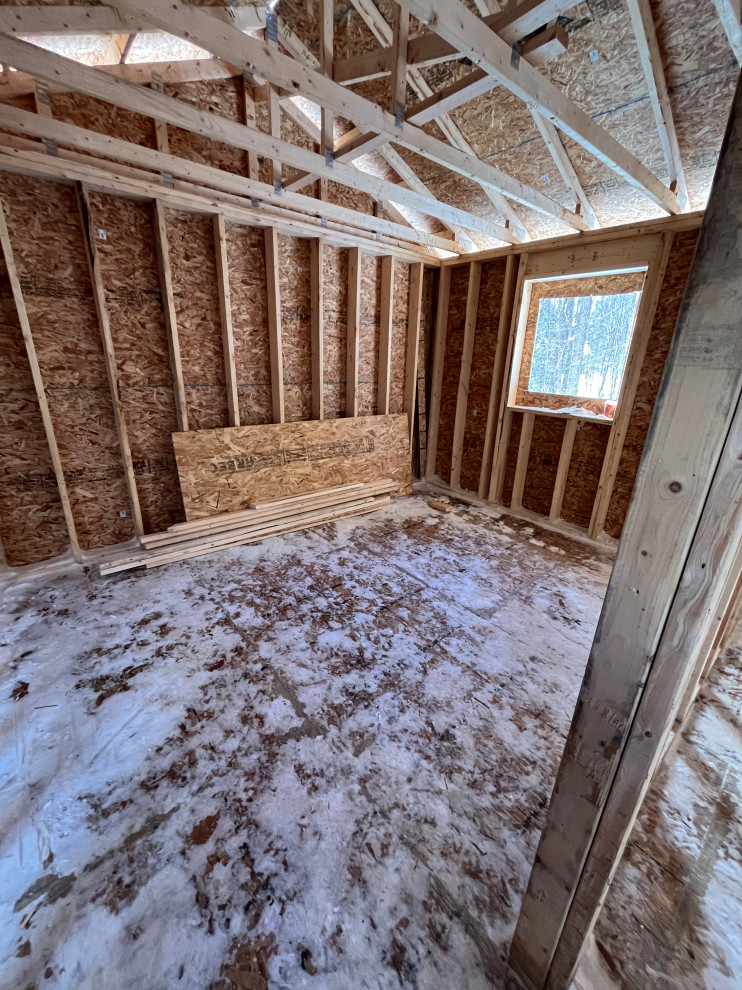
As summer begins to wind down, most homeowners aren’t necessarily thinking about construction. The deck is still being used, the cottage is still open, and winter feels a long way off.
But when it comes to renovations and larger home projects, late summer and fall can be one of the best times to start planning.
Whether you’re considering an interior renovation this winter, improving a seasonal property while it’s not being used, or hoping to build a deck, garage, or outdoor living space next spring, getting an early start gives you more options—and usually leads to a better project.
Here are some things worth considering as you plan the next improvement to your home or cottage.
1. Start Planning Before You Want Construction to Begin
One of the most common misconceptions about renovations is that the project starts when the contractor arrives.
In reality, a good project starts much earlier.
Depending on the scope of the work, there may be drawings to prepare, permits to obtain, materials to select, subcontractors to coordinate, and several decisions to make before construction begins.
Starting those conversations early gives everyone more time to think through the project properly.
It also gives you time to answer some important questions:
- What are we actually trying to accomplish?
- What is our realistic budget?
- Which parts of the project are priorities, and which are optional?
- Will permits or drawings be required?
- Are there materials or finishes with long lead times?
- When would we ideally like the project completed?
You don't necessarily need to have all the answers before contacting a contractor. In fact, an experienced contractor should help you work through them. The earlier those conversations happen, the more flexibility you have.
2. Winter Can Be an Excellent Time to Renovate
Winter construction sometimes gets treated as something to avoid.
For certain types of work, that's fair. Excavation, concrete, landscaping and some exterior projects are naturally easier during warmer weather.
But many renovation projects are very well suited to winter.
Basement finishing, bathrooms, interior renovations, flooring, trim and carpentry, insulation upgrades, and other indoor projects can often proceed throughout the winter with very little disadvantage.
There can actually be some benefits.
Instead of trying to squeeze a renovation into the busiest part of the construction season, winter can provide an opportunity to complete interior work while outdoor projects are quieter.
Most importantly, it means the work can be finished before you want to use the space again.
3. Seasonal Homes and Cottages Are Particularly Well Suited to Winter Renovations
Here in cottage country, this is an especially important consideration.
If you have a seasonal home or cottage that sees its heaviest use from May through October, renovating during that same period can mean sacrificing some of the very time you're supposed to be enjoying it.
Winter changes that equation.
Once a seasonal property has been closed up—or simply isn't being used as frequently—contractors can often complete significant interior work with considerably less disruption to the homeowner.
Imagine arriving in the spring to a finished basement, renovated bathroom, new flooring, updated interior, or other improvements instead of spending the first part of cottage season living through construction.
There are practical considerations, of course. The property needs appropriate winter access, heat and utilities depending on the work being completed. Every property is different.
But if those conditions can be accommodated, the off-season can be one of the best times to improve a seasonal property.
4. Some Projects Should Be Built in Winter. Others Should Be Planned in Winter.
Not every project needs to be constructed immediately for planning to be worthwhile.
If you're thinking about a new deck, garage, addition, landscaping project, outdoor living area or other substantial spring project, fall and winter are an excellent time to start working through the details.
A deck is a good example.
The homeowner may initially be thinking about size and appearance. But there are usually many other decisions behind a well-planned deck: layout, stairs, railings, materials, privacy, sun exposure, how it connects to the house, and how the surrounding landscaping will eventually work with it.
A garage can involve even more planning—location, setbacks, grading, drainage, electrical service, storage requirements, permits, foundations and how the building will complement the existing home.
Those decisions are much easier to make in January than they are when you're hoping construction can start next week.
Planning during the off-season allows you to be ready when conditions are right.
5. Think About the Whole Property, Not Just the Immediate Project
One of the best things a homeowner can do is think and plan ahead.
Suppose you're building a deck this year but know you'd eventually like to redo the landscaping around it. Or you're finishing the basement now but may add a bathroom later. Perhaps you're building a garage and know you'll eventually want a walkway, driveway improvements or additional outdoor storage.
Those future plans can affect decisions you're making today.
You don't necessarily need to complete everything at once.
But you should try to avoid completing today's project in a way that makes tomorrow's project unnecessarily difficult or expensive.
A good plan considers not only what your property needs now, but where you'd eventually like it to end up.
6. Use the Planning Stage to Establish a Realistic Budget
Planning early also gives you something extremely valuable: time to understand what the project is actually going to cost.
Renovation budgets aren't simply determined by square footage. Existing conditions, site access, material choices, structural requirements, permits, electrical and plumbing work, excavation and dozens of other details can influence the final cost.
Rather than beginning with a fixed number and trying to force a project into it, it can be more productive to establish your priorities and then understand what different versions of the project might cost.
Sometimes a relatively small design change can save significant money.
Other times, spending a little more in one area prevents an expensive compromise later.
Those are much easier conversations to have before construction begins.
7. Don't Rush the Decisions That Will Be Difficult to Change Later
Paint colours can be changed.
The location of a foundation, staircase, bathroom or garage is considerably harder to reconsider after construction begins.
When planning a project, spend the most time on the decisions that will be expensive or disruptive to change later.
Layout, structure, drainage, access, mechanical systems and how spaces function deserve careful thought.
Finishes matter too, but they shouldn't distract from getting the fundamentals right.
A well-planned project isn't necessarily the project with the most expensive materials. It's the one where the important decisions were made in the right order.
8. If You're Thinking About Spring, Start the Conversation Now
Good construction projects rarely benefit from being rushed.
If you're hoping to renovate this winter, now is a good time to start discussing the scope, budget and timing.
And if you're thinking about a deck, garage, landscaping project or other work for next spring, you certainly don't have to wait until the snow melts to begin planning it.
Use the fall and winter to ask questions, explore options, develop a realistic budget and get the details right.
Then, when construction season arrives, you're ready to build—not just beginning to figure out what you want.
At Nail & Nurture, we work with homeowners on renovations, garages, decks, landscaping and property improvements throughout the Muskoka area. Whether you're ready to build or simply trying to understand what a future project might involve, we're always happy to have that conversation.
Because some of the best spring projects actually start in the fall.